

Ready to Discuss Your Requirement?
Send details to our support team
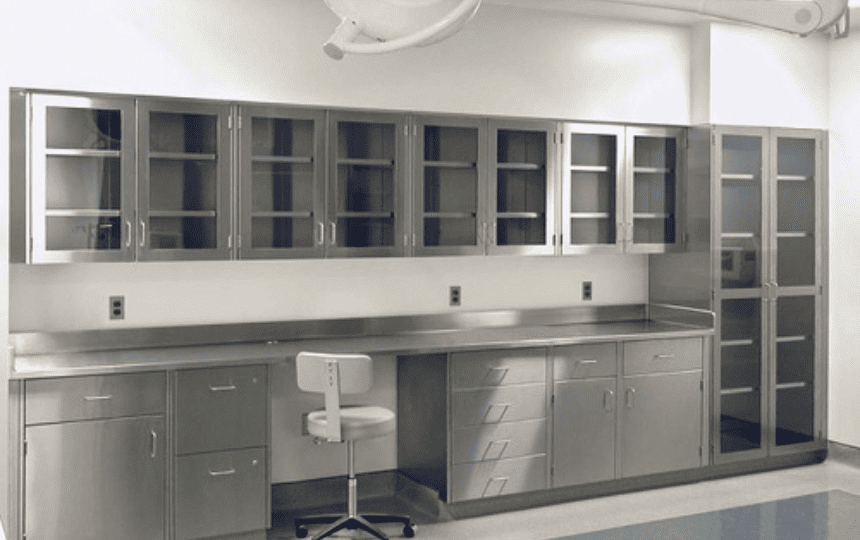
Stainless QC Lab Fittings
Abhivishwa Engineering manufactures stainless steel lab tables, sinks, instrument stands and storage units that support precise, contamination‑free testing. Worktops and frames are built in durable SS with smooth edges and minimum crevices, making them easy to clean and resistant to corrosion from routine lab chemicals and wash cycles.
Stainless steel lab tables, sinks, racks and instrument stands designed for clean, organised QC laboratories, built to handle daily testing, cleaning and chemical exposure.
Hygienic stainless steel worktops
Instrument and balance tables
SS sinks and utility units
Storage racks and cabinets
Easy‑to‑clean smooth surfaces
Custom layouts for QC labs
Stainless Steel Labs Built for Accuracy
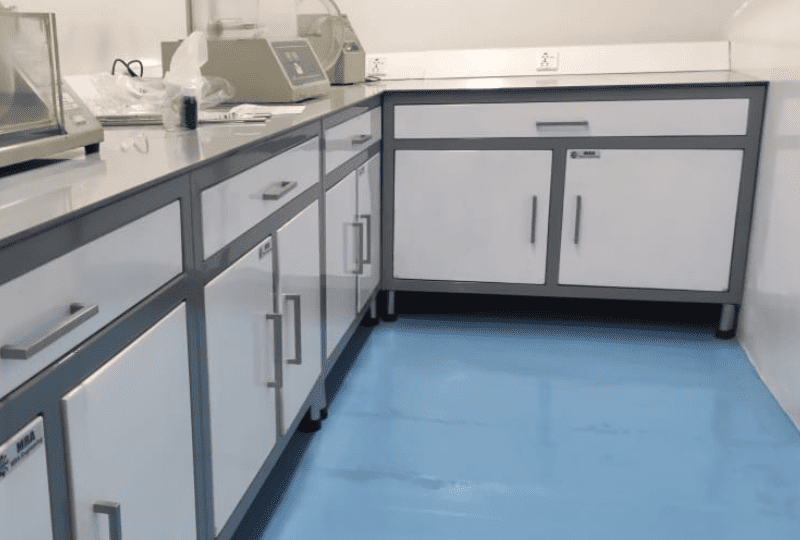
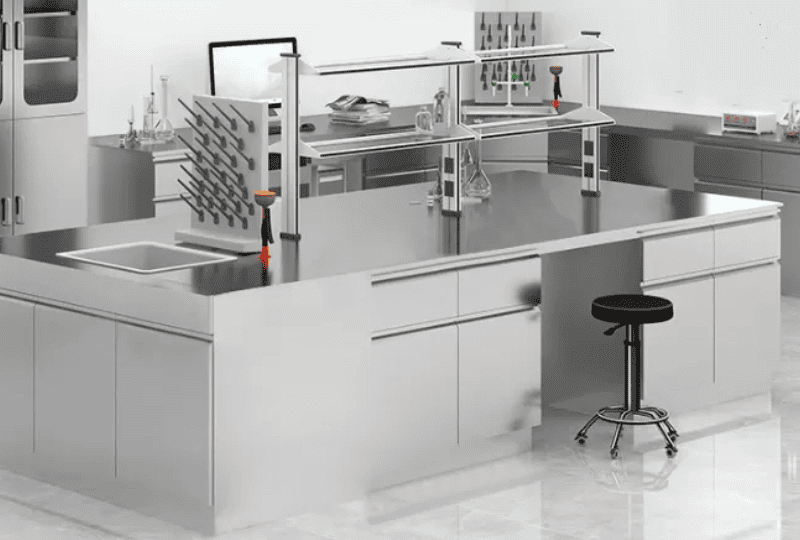
See how SS tables, sinks and storage systems create a neat, durable and low‑maintenance environment for QC and analytical testing.
Freequently Asked Question
Common questions about our stainless QC lab fittings, answered in more detail.
Abhivishwa Engineering supplies a wide range of stainless fittings for quality control labs, including worktables, balance or anti‑vibration tables, reagent racks, under‑counter cabinets, wall cabinets, sample storage racks and wash‑area sinks. Each unit is designed to carry instruments safely, provide clear working space and allow convenient routing of utilities such as water lines and drain points.
The fittings are fabricated from suitable stainless grades with properly welded joints and smooth finishes, which resist corrosion from most routine laboratory chemicals and cleaning agents. Corners are rounded, crevices are minimised and exposed edges are finished carefully so that spills, dust and residues can be wiped off quickly, supporting good laboratory practices and easier housekeeping.
Yes, each QC lab project can be fully customised around your instrument list, work sequence and room dimensions. Table lengths, heights, cut‑outs, undershelves and cabinet combinations are planned to keep instruments stable while allowing comfortable access for analysts. This tailored approach helps reduce clutter, improves safety and ensures a logical flow from sample receipt to testing and documentation.